Industrysix Solutions
Introduction to Lean Manufacturing
🌟 Understanding Lean Manufacturing: The Smart Way to Eliminate Waste and Boost Productivity
In today’s competitive world, every organization strives to do more with less — less time, less waste, and fewer resources. That’s where Lean Manufacturing comes in — a systematic approach to identify and eliminate waste while improving efficiency and productivity across every process.
🔍 What is Lean Manufacturing?
Lean Manufacturing is a methodology focused on reducing waste (non–value-added activities) while continuously improving processes to deliver greater value to customers.
In simple terms — Lean is all about eliminating waste and maximizing value.
💡 What is Work vs. Waste?
To understand waste, we first need to understand what work really means.
Work (Value-Added Activities): Any process that physically or chemically transforms a product or service into something a customer is willing to pay for.
Waste (Non-Value-Added Activities): Any process that consumes time, space, or resources but does not add value to the product or service — directly impacting profits.
Interestingly, research shows that in a typical manufacturing setup, Value-Added (VA) time constitutes less than 5% of the total lead time. While we can’t eliminate all Non-Value-Added activities (NVAs), we can certainly reduce and control them.
♻️ The Three Categories of Waste in Lean
Muda – Non-Value Adding Activities
(Includes the 7 classic types of waste — explained below)Mura – Process Variations
Variability or unevenness in operations leading to inconsistent results.Muri – Overburden or Strain
Fatigue caused by overloading people or machines, reducing efficiency and safety.
🚀 The 7 Types of Waste in Lean Manufacturing (Muda)
1️⃣ Transportation
Waste: Unnecessary movement of materials from one place to another.
How to Fix:
Optimize layout to minimize distance.
Reduce temporary storage areas.
Implement continuous flow production.
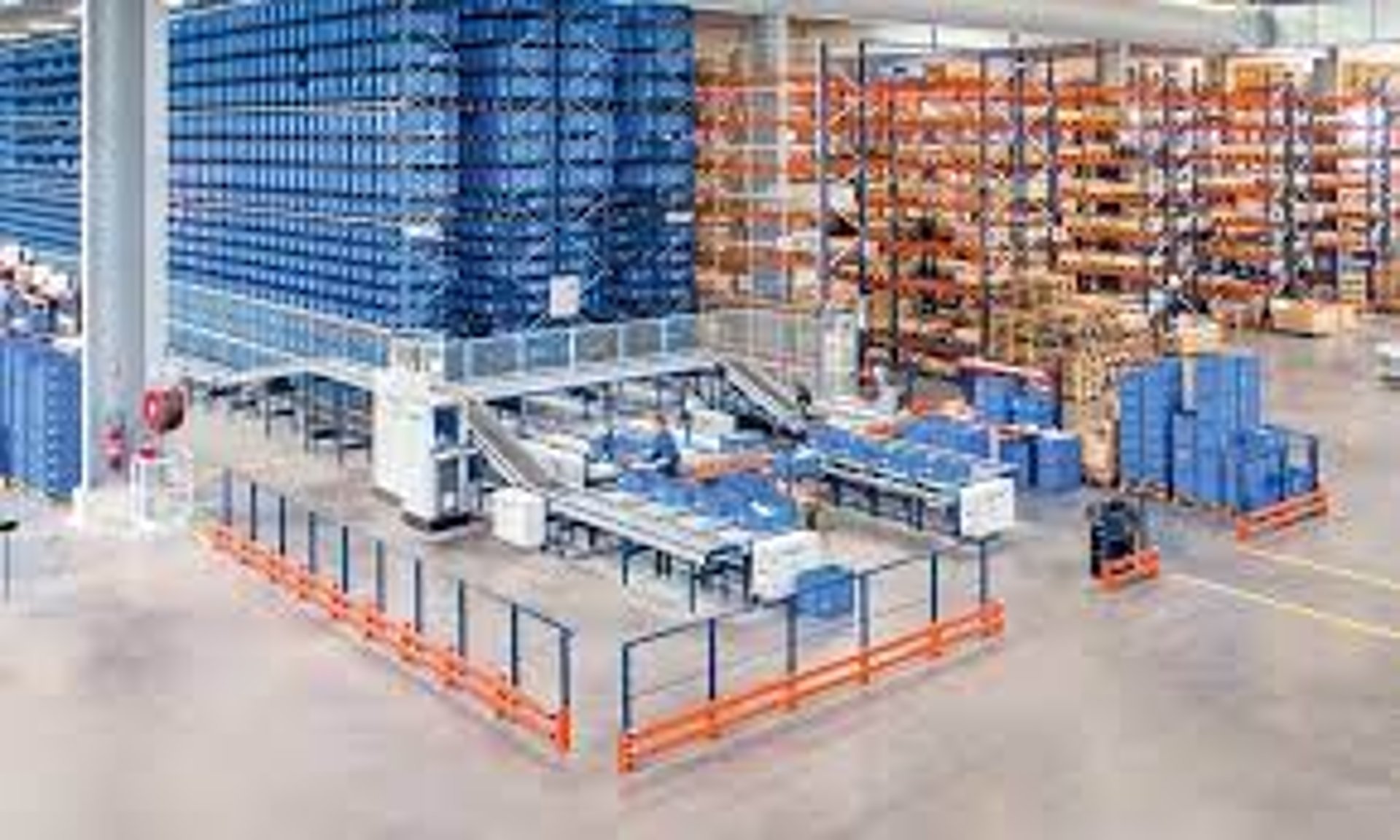
2️⃣ Inventory
Waste: Excess raw material, WIP (Work-In-Progress), or finished goods.
How to Fix:
Reduce WIP first.
Implement FIFO (First-In-First-Out).
Align raw material procurement with actual demand.
Focus on visibility and flow instead of stockpiling.
3️⃣ Motion
Waste: Unnecessary movement of people that doesn’t add value.
How to Fix:
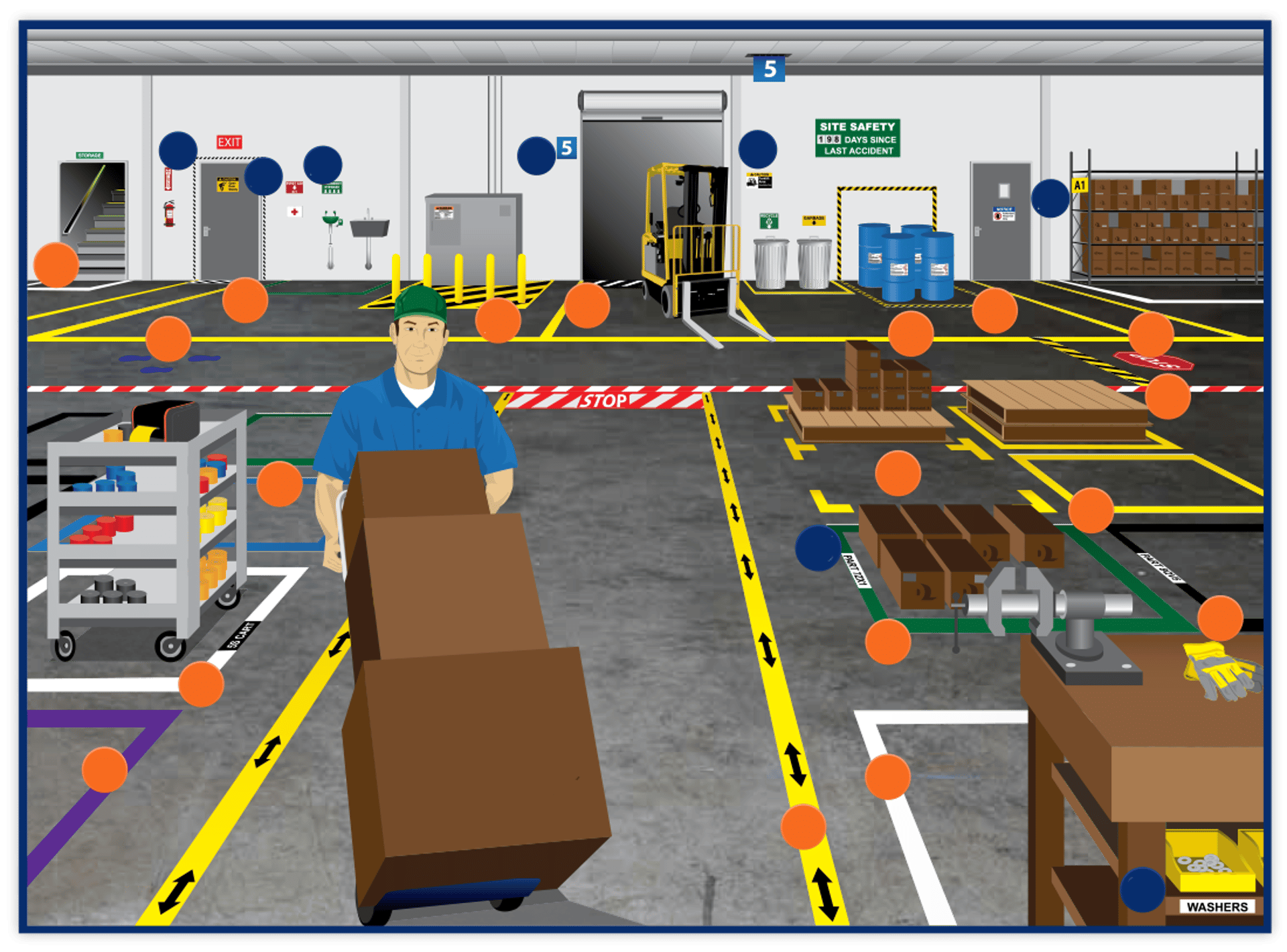
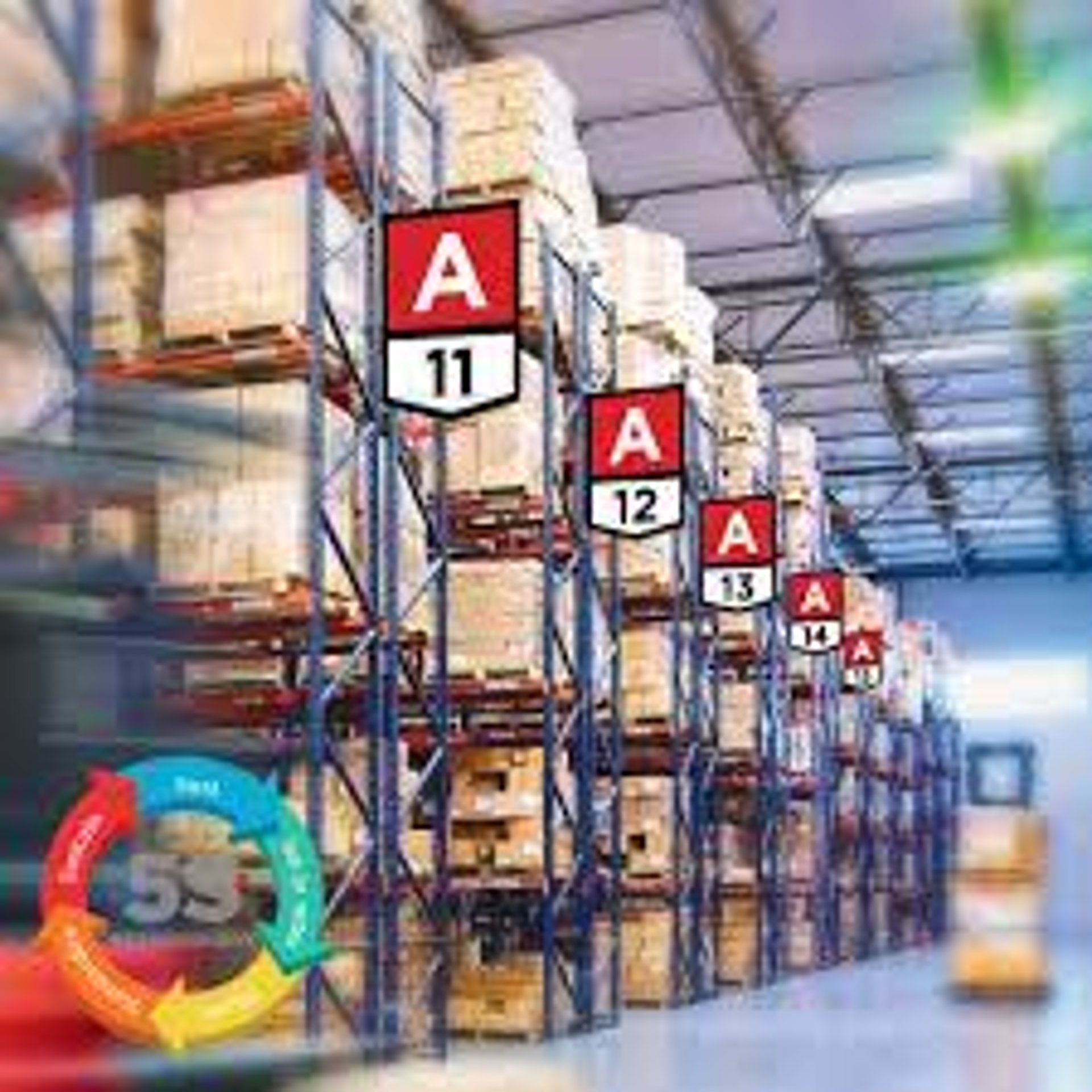
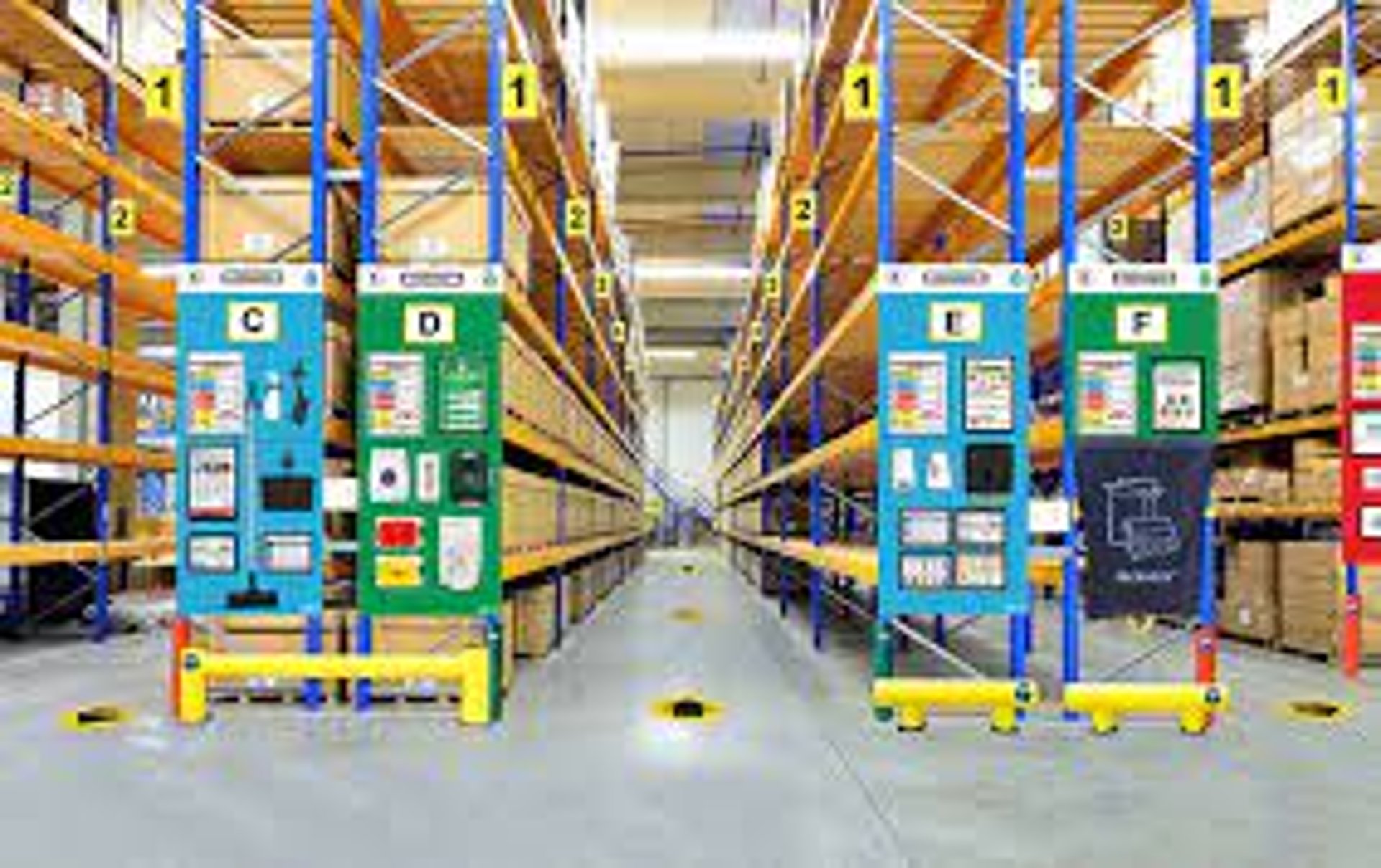
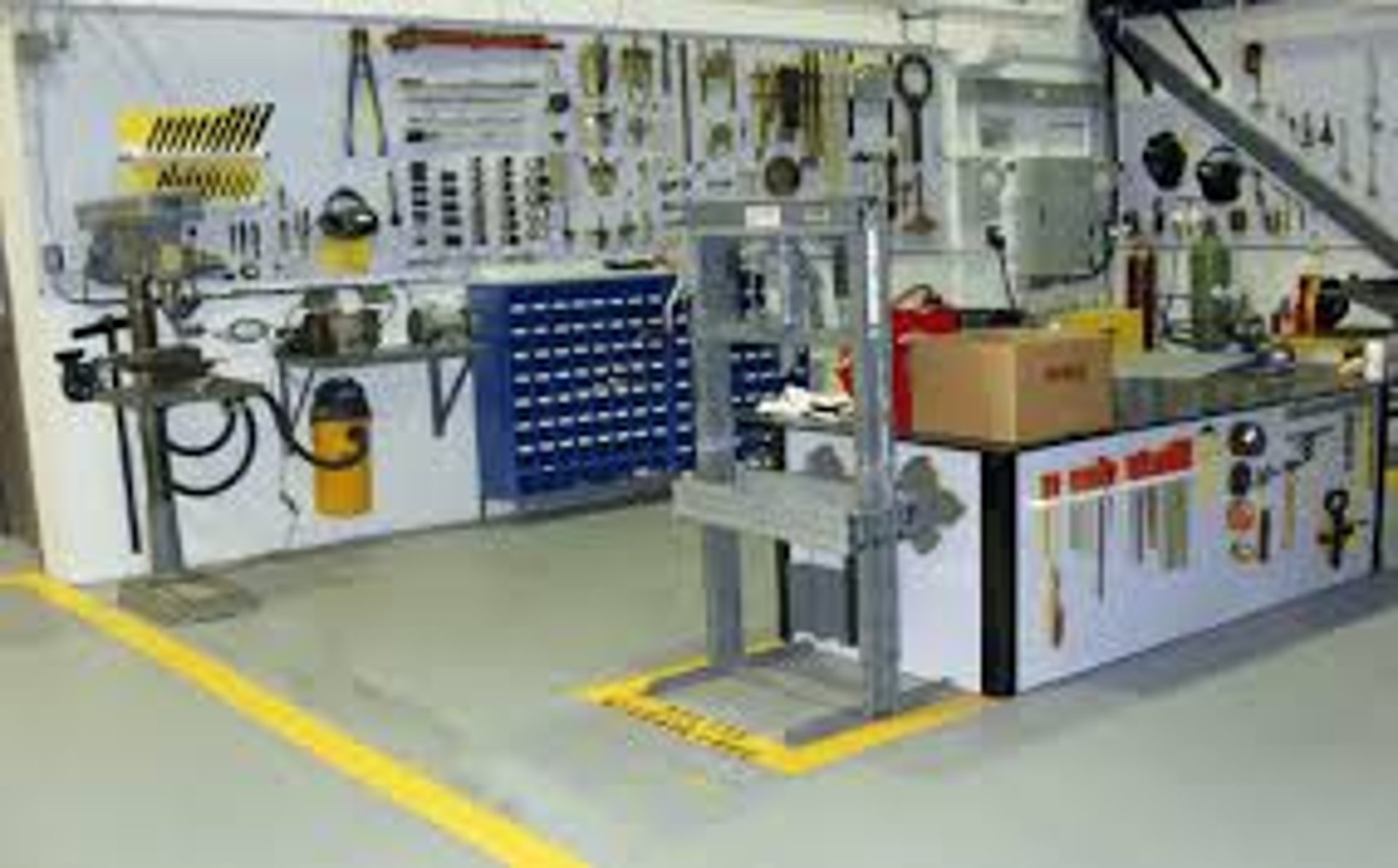
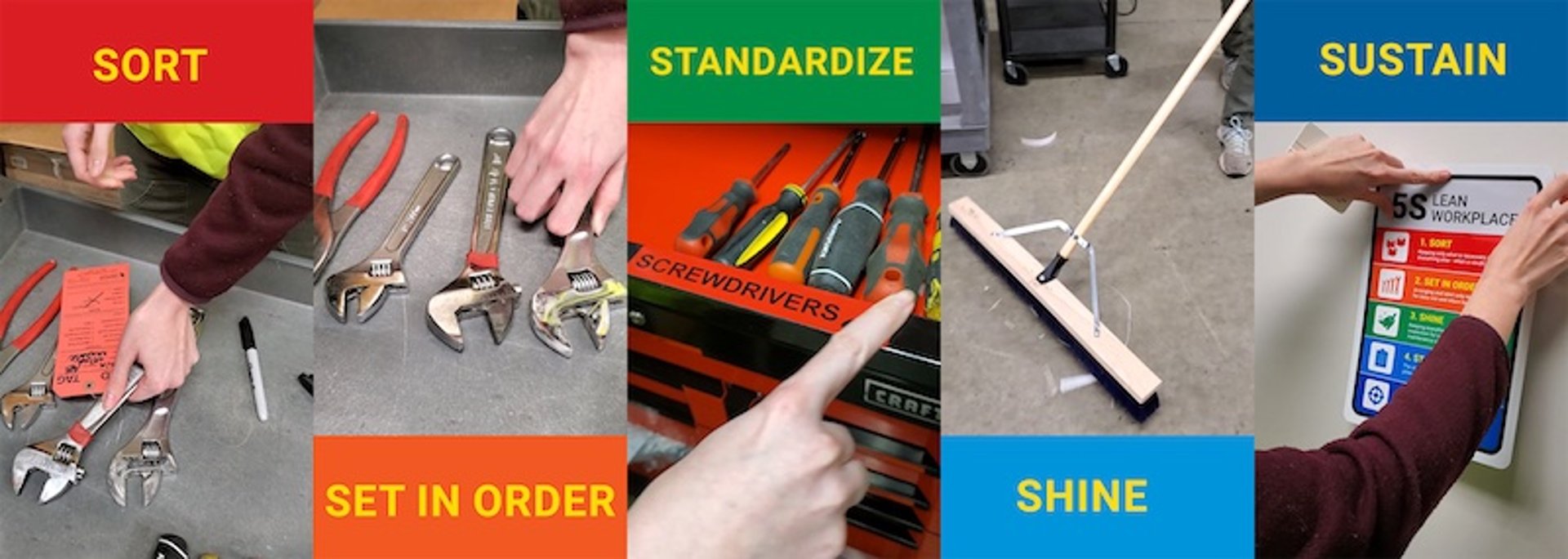
Implement 5S workplace organization.
Design efficient work cells.
Place tools and materials within easy reach.
4️⃣ Waiting
Waste: Idle time when materials, machines, or people wait for the next step.
How to Fix:
Balance line operations.
Reduce setup/changeover time using SMED.
Apply Total Productive Maintenance (TPM) to prevent breakdowns.
5️⃣ Overprocessing
Waste: Doing more work than what the customer requires.
How to Fix:
Understand true customer needs.
Eliminate redundant checks and approvals.
Standardize communication and processes.
6️⃣ Overproduction
Waste: Producing more than required or earlier than needed.
How to Fix:
Implement Pull Systems instead of Push.
Eliminate batch processing.
Stabilize production schedules.
7️⃣ Defects
Waste: Rework, repair, or scrap due to errors in process or design.
How to Fix:
Apply Poka-Yoke (Mistake Proofing).
Use root cause analysis (RCA).
Build quality into the process instead of inspecting it later.
⚙️ Mura (Unevenness) – The Hidden Cause of Waste
Mura represents inconsistency in operations — fluctuations in production rate, process times, or quality.
For example, high output at month-end and low output at the start of a month indicates Mura.
Impact: Mura often leads to both Muda (waste) and Muri (strain).
Solution: Standardize work, level the workload (Heijunka), and ensure process consistency.
💪 Muri (Overburden) – The Human and Machine Strain
Muri occurs when people or machines are pushed beyond their natural limits.
This results in fatigue, quality issues, breakdowns, and even accidents.
Solution:
Design ergonomic workstations.
Balance workloads.
Use TPM and preventive maintenance.
🛠 SMED – Reducing Setup Time for Greater Efficiency
SMED (Single Minute Exchange of Dies) is a Lean technique to minimize changeover time between production runs.
The goal: Complete setup within minutes instead of hours.
Steps to Implement SMED:
Record and analyze setup activities.
Separate tasks into Internal (done when machine is stopped) and External (done while running).
Simplify and streamline setup steps using 5S principles.
Train operators for quick changeovers and standardize best practices.
Result: Faster setups mean higher machine availability, smaller batch sizes, and smoother flow.
🧭 Conclusion
Lean Manufacturing is not just a set of tools — it’s a culture of continuous improvement.
By focusing on waste elimination, process flow, and people empowerment, organizations can deliver greater value, efficiency, and profitability.
At Industrysix Solutions in Collaboration with Sdlinc, we help businesses transform through Lean — training teams, optimizing systems, and driving real results that sustain over time.